"Don't think you desperately need the most expensive equipment to make something good. Be critical of what you're buying and look for value for money."
Tomas Pollen Stavik made his sci-fi short film Runes Ignite on a setup most creators wouldn't look twice at – a six-year-old camera, a single lens, and a filter. Despite that, the film found its way into festival submissions and taught Tomas something far more valuable than any new gear could: that the right equipment is whatever helps you create the video you want to.
In this interview with Uppbeat, Tomas breaks down his honest, experience-driven approach to choosing kit. From why he sold his gimbal to which piece of audio gear he wishes he'd invested in sooner, his advice cuts through the noise of specs and YouTube reviews to focus on what actually matters when you're creating.
Tomas Pollen Stavik is a Norwegian filmmaker and the director of Ruins Ignite, a 2025 short film that's gone on to screen at festivals. He shares his process, from camera tests to color grading, on his YouTube channel, with more of his work available on his personal site and IMDb profile.
- Start with what you have, not what you want
- Invest in the practical essentials, not just the flashy gear
- Let the project dictate your lens and audio choices
- Question every gear purchase before you make it
- Know when gimbals and drones become a crutch

1. Start with what you have, your phone is a better tool than you think
Before you spend a cent on new equipment, Tomas wants you to look at what you already own. If the gear you have is capable of telling your story, you’re already good to go.
TP: "If you have a phone, you can use it and tell a story. There's a point where the equipment you use can distract from the footage you’re capturing and the story you want to tell, but using your phone is fine when you're learning and starting out. The iPhone is an insane tool."
What makes your video look polished and professional isn't a new camera body, Tomas explains – it's knowing your settings. One small technical adjustment can dramatically change how your footage looks.
TP: "If you film in 24 or 25 frames per second, with a shutter speed that's roughly double that, you get rid of some of the noise. You're fooling the audience into believing they're watching a film because the movement looks more like a Hollywood film than something you’d capture with simple gear."
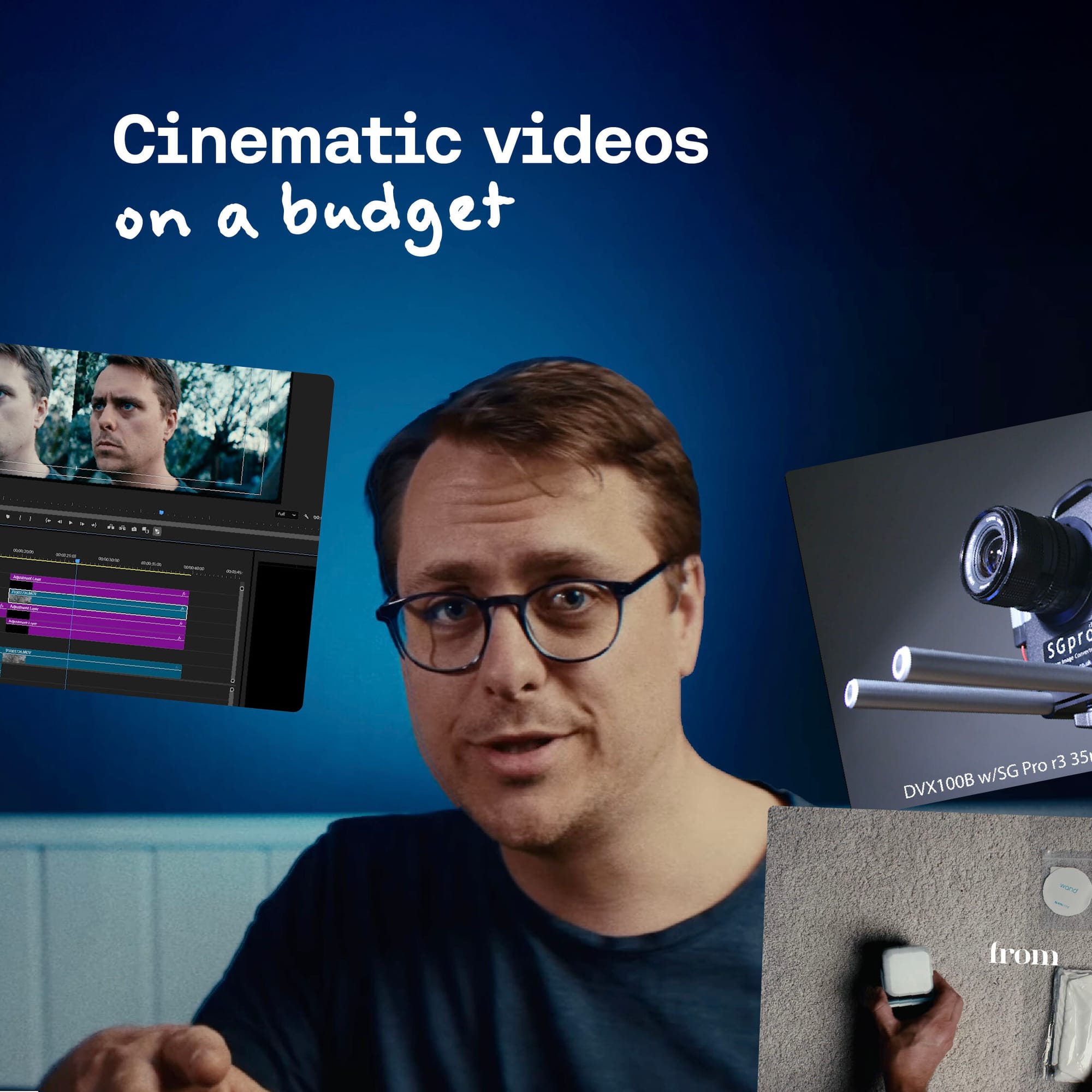
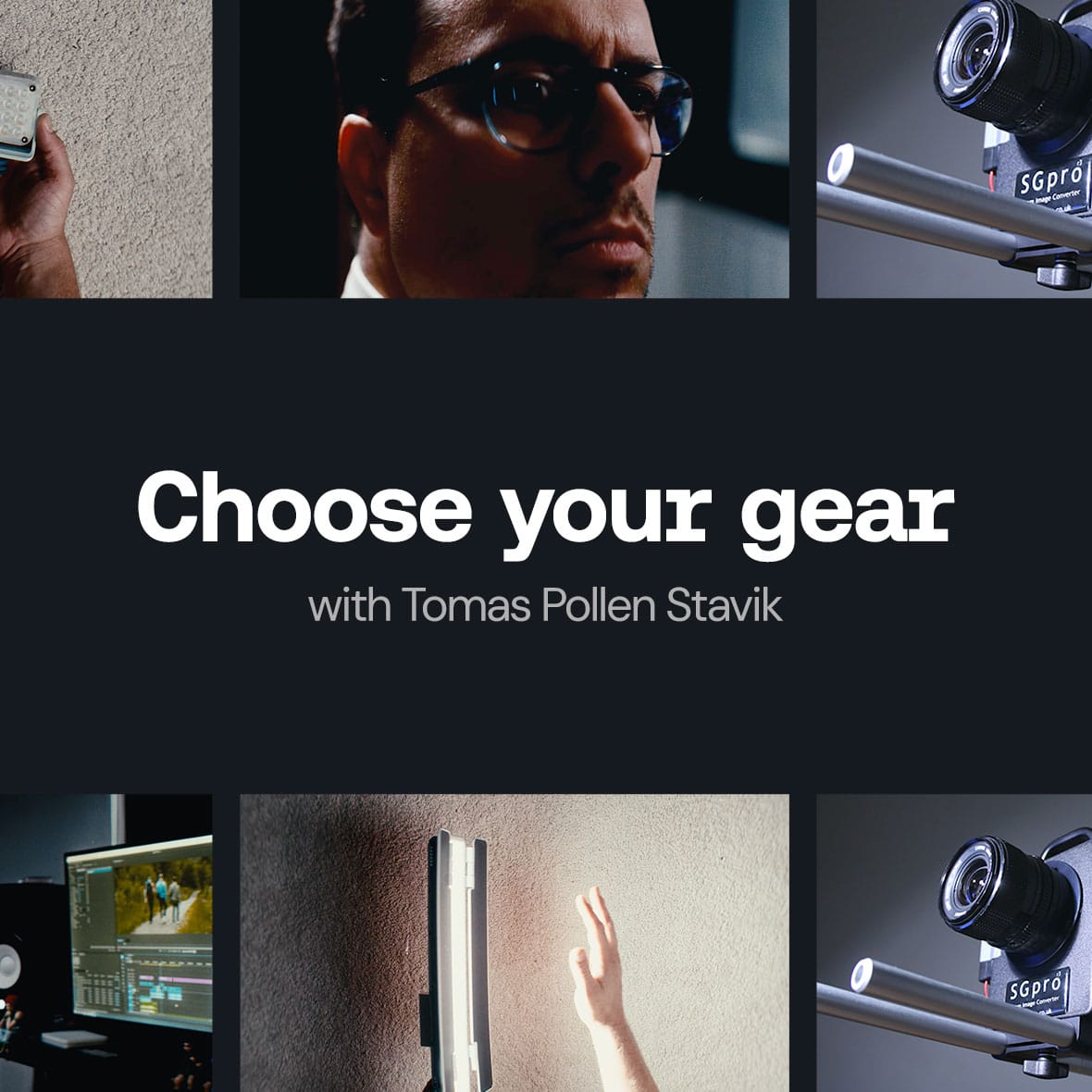
When Tomas started his short film Runes Ignite, the rig he chose was deliberately modest: a camera he paid around $700 for secondhand, a lens with a controllable aperture in the 35–50mm range, and an ND filter for outdoor shooting. What Tomas proved is that content captured with even the most minimal setup can look as good as anything else.
Tomas's Key Takeaway:
Don't wait until you can afford a pro setup to start creating. Your phone is a capable tool, especially when you learn to control your frame rate and shutter speed. If you're thinking about what to upgrade next, our guide to the best video cameras for YouTube breaks down the options at every budget so you can make an informed decision when the time is right.

2. Don't overlook the practical essentials you'll always need
When most creators think about gear, they jump straight to cameras and lenses. But Tomas has learned that the things that actually keep a shoot running smoothly are often the least glamorous.
TP: "The must-haves for any shoot are an external battery, a monitor, and audio equipment – plus a tripod, and lighting if you can get it. But at a minimum? External battery, monitor, audio."
An external monitor in particular changed how he worked day to day. Being able to see exactly what you're capturing in real time, on a screen larger than the camera's built-in LCD, removes one of the most common sources of costly mistakes.
TP: "With the monitor, you can actually see that you're in focus. You can do it on the small LCD, but the monitor just makes life easier. For me, it's become an essential tool."
Audio deserves its own mention here, because it's the area Tomas most wishes he'd prioritized earlier. Having poured his budget into lenses and lighting, he arrived at the Runes Ignite edit without the sound he needed. The lesson: audio is not an optional extra.
Tomas's Key Takeaway:
The gear that's easiest to overlook is often the gear that matters most on the day. A reliable source of power, a monitor you can actually see, and decent audio equipment will do more for your videos than a new camera body.

3. Let the project tell you which lens and audio setup you need
One of the most practical things Tomas does before any shoot is ask himself who the video is for and what it needs to look like. The answer shapes everything, including his lens choice.
TP: "When I'm starting a new project, the lens and audio setup I go with depends on what I want the final video to be. For personal projects, I'll use whatever I want, but if I’m creating for a client, my setup has to be in line with their vision. For example, if I’m working with a local municipality and they want a natural, ambient look, I’ll pick the lens suited for that brief. "
One of Tomas’s favorite choices? Anamorphic lenses – the glass gives footage a wide, cinematic look with distinctive lens flares. These were once the exclusive domain of big productions, but are now accessible enough to be worth considering for passion projects. Tomas points to a couple of options that have come down significantly in price.
TP: "If you want a filmic look, anamorphic is really good. The Blazar Remis or the Sirui lenses go for around $600 to $700 which make them a cheaper alternative to other lenses on the market."
The same thinking applies to audio. Different shoots call for different setups, and the right microphone for a sit-down talking-head video isn't always the right one for an outdoor shoot. Tomas learned this the hard way.
TP: "A lesson I learned from Runes Ignite is to always invest in some kind of audio recording equipment – whether that means borrowing, renting, or buying. It doesn't have to be expensive, but it's something I'd consider necessary for every project."
Tomas's Key Takeaway:
Match your gear to what the specific project actually requires. A cinematic lens might be the right call for a personal creative project but the wrong one for client work, and audio should be near the top of your priorities, not an afterthought.

4. Think before you buy and avoid 'gear acquisition syndrome'
If there's one habit Tomas wants you to break, it's buying new gear because it feels urgent and necessary. He's been there, and he knows it rarely ends well.
TP: "You really want this new piece of equipment and you want it so bad that you feel like you'll die without it. I've had that feeling so many times and, if I've acted on it, most definitely it was the wrong thing to buy."
The fix he's landed on is simple: wait. Let the shoot itself tell you what's missing.
TP: "If you want to buy new equipment, wait first and spend some time thinking, do I really need this? Draw on your experiences and think about whether there was something lacking on your last shoot. What could have been useful that you didn’t have?"
This kind of discipline doesn't come naturally when YouTube reviews make every new release look essential. But it's what separates creators who actually make things from those who spend their time waiting for the perfect setup to arrive. If you want a grounded starting point for what's actually worth owning, our equipment guide for YouTube beginners lays out the essentials without the noise. For Tomas, the whole approach comes down to three things:
TP: "Don't get overwhelmed by gear acquisition syndrome and think you desperately need certain equipment to make something good. Look to buy used and prioritize value for money."
Tomas's Key Takeaway:
Before you buy anything new, give yourself time. Go back to your last video and identify what actually held you back. If new gear doesn't solve a specific, real problem you experienced, it probably isn't the right purchase.

5. Gimbals are powerful, but learn to shoot without one first
Gimbals have become a default piece of kit for video creators, and Tomas understands why. They're capable tools. But he sold his, deliberately, to force himself to become a better creator.
TP: "Gimbals are great and they're immensely powerful. But I sold mine because I wanted to challenge myself to create something without needing one. I wanted to place the camera on a tripod and try to tell the story without always moving the camera."
The constraint changed how he thought about composition. When you can't rely on fluid movement to carry a shot, you have to work harder on framing and intention, skills that make every kind of content stronger.
TP: "If you limit yourself to a tripod, you have to think: how do I compose this shot? I think people rely on gimbals a little too much."
His advice isn't to avoid gimbals entirely – it depends on the kind of content you make. Vloggers and travel creators probably need one. But even then, understanding how to work without one will make your shooting more intentional overall.
TP: "If you're a travel blogger, you probably want a gimbal. If you're a filmmaker, I'd definitely try to learn to shoot without one as well."
Drones fall into a similar category: powerful when used with intention, but easy to lean on too heavily. "I love drones and the footage they give you. But you shouldn't create your entire video with a drone."
Tomas's Key Takeaway:
Tools that move the camera for you are worth knowing, but also worth setting aside periodically. Shooting on a tripod and thinking hard about composition will make you a stronger creator. When you master filming on the move without stabilizing gear, the gimbal becomes a deliberate creative choice rather than a default.

Make the most of the gear you already have
The main lesson Tomas has learned is that equipment decisions should always come after creative ones. Figure out your video, your audience, and your story – then work out what gear you actually need to make it happen. There are certain items you’ll need no matter what you’re shooting, but you should always be wary of buying unnecessary gear.
Once you're in the edit, sound is often the final piece that brings everything together. Whether you need foley, ambient texture, or something to fill the silence your camera mic couldn't capture, Uppbeat's sound effects library and royalty-free music give you the audio building blocks to finish what the shoot started without worrying about copyright claims.