"Behind every big company you want to work with is a human. If you manage to connect with the person who is in charge of collaborations, it becomes much easier to have a conversation and secure a brand deal."
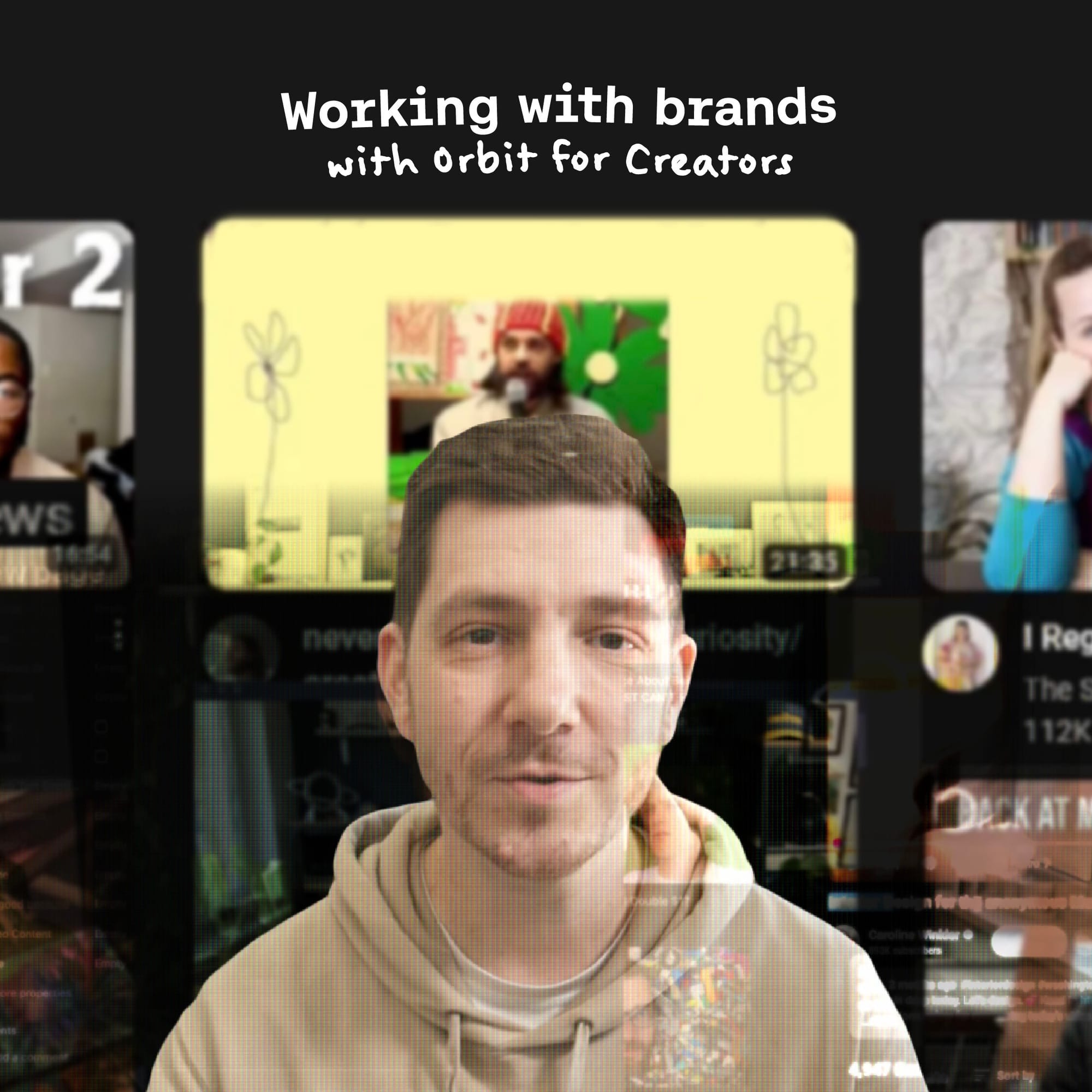
Most creators wait for brands to find them. YouTube podcaster and founder of Orbit For Creators, Valentin Farkasch, seeks them out himself. Proactive outreach and clear understanding of what brands actually want opens doors that passively waiting never will, which is how he’s landed collaborations with the likes of Canon, Notion, and Uppbeat.
In this interview with Uppbeat, Valentin breaks down the steps any creator can take to land brand deals, from making a simple list of target partners to understanding what a brand genuinely needs from a collaboration. Whether you're posting on YouTube, TikTok, or Instagram, these are the fundamentals of turning your content into a business that brands want to be part of.
Former filmmaker and marketer Valentin Farkasch runs Orbit For Creators, a YouTube podcast channel that explores what it actually takes to succeed as an independent creator today, from getting your first brand deal to building something sustainable on your own terms. You can find Orbit For Creators on YouTube and Spotify.
- Stop waiting and reach out to brands yourself
- Create a win for the brand, for you, and for your audience
- Understand what the brand actually wants
- Pitch for a long-term partnership, not just a one-off deal
- Start with a list of your ideal brand partners

1. Stop waiting and reach out to brands yourself
A lot of creators assume that as their audience grows, brands will eventually come to them. And some do. But Valentin points out that sitting back and hoping is a slow and uncertain strategy. Not to mention one that puts someone else in control of when, and whether, your content becomes a business.
Orbit For Creators: "A lot of creators wait for brands to reach out to them. Or even worse, they feel some kind of entitlement – like, 'I've built this audience, I get these views, I would be the perfect partner for that brand.' But this is the wrong approach entirely. "
This mindset shift is a simple but powerful one: treat brands as people you want to make a connection with. Somewhere inside every company you admire is a marketing manager, a partnerships lead, or a brand director who receives pitches and decides who gets a deal.
Orbit For Creators: "It is more straightforward to reach out to brands if you don't think of them as brands. Once you connect with the person who deals with collaborations, you can start real conversations about becoming a partner."
Orbit For Creators' Key Takeaway:
Don't wait for brands to discover you. Make the first move. When you approach them as people instead of faceless companies, you’ll often find that partnerships are easier to come by than you’d imagine, regardless of your follower count.

2. Create a win for you, the brand, and your audience
The biggest mistake you can make when approaching brand deals is to think that they’re a cold transaction between two parties. Valentin has a perspective that adds a crucial third party to the equation.
Orbit For Creators: "Brand deals should always be a win-win-win scenario. The brand wants views, the creator wants money, but the audience should also get something out of it. If the audience loses in this transaction, the collab won’t work."
When a sponsored segment feels forced, irrelevant, or purely promotional, viewers disengage. Your audience might tolerate it once, but over time too much branded content erodes the trust that made your recommendation valuable in the first place. Put simply, the audience's experience is never just an afterthought, it's what determines whether the brand deal delivers real results.
The brands you partner with need to genuinely fit the world you've built for your viewers. A useful product for your audience, a relevant service, a deal that makes sense in context – these are the collaborations that convert and that brands come back for.
Orbit For Creators' Key Takeaway:
When you evaluate a potential partnership, ask whether it genuinely serves your audience, not just whether the money is right. Prioritize brand deals that respect the relationship you have with your audience and you’ll reap the rewards in the long run.

3. Understand what the brand actually wants
Most creators start conversations with brands by pitching their reach. They’ll point out how many subscribers and views they get and make a case for what that’s worth. Valentin argues that creators who think this way are selling themselves short and often missing what brands truly care about.
Orbit For Creators: "What would be a win for the brand? Go beyond whether they simply want impressions or people to click on their website. What do they want to be known for? Who do they want to be associated with? What do they want their brand image to be?"
This means going into a brand conversation with questions, not just a rate card. Try to figure out what your brand’s challenge is, whether that’s reaching a certain audience, breaking a new market, or something else. Creators who understand the company’s underlying goal can offer something far more compelling than a sponsored mention.
Orbit For Creators: "Ask yourself how you can use the data creators have available to make this brand’s message accessible to a different group of people. See how you can actually sharpen the brand's promise and help them with their marketing."
Valentin notes that creators hold a lot of insight about their audience demographics, viewing habits, and what resonates. This is valuable data brands don't have access to through traditional advertising. Bringing that into the pitch conversation changes the dynamic entirely.
The goal is to walk into brand conversations as a marketing partner, not a billboard. When you speak to what a brand is actually trying to achieve, the conversation shifts from "how much do you cost?" to "how can we make this work?"
Orbit For Creators' Key Takeaway:
Do your homework before any pitch. Research the brand's positioning, understand what they're trying to achieve beyond impressions, and come prepared to show how your audience and your content can help them get there.

4. Pitch for a long-term partnership, not just a one-off
To land even a single brand deal is an achievement. But one payment from one campaign doesn't make a sustainable business. Valentin argues that the most valuable thing a creator can do is frame every first deal as the start of something ongoing.
Orbit For Creators: "What people buy into – from the audience side and from the brand side – is the mission of your channel. If the mission is aligned between you and the brand, and you're moving in the right direction, it becomes way easier to close a deal and to form a long-term relationship."
When a brand's values genuinely overlap with your content's purpose, the relationship feels natural to everyone watching. The audience doesn't feel like you’re selling something to them, the brand gets consistent, authentic association with a creator they trust, and you get the kind of income security that makes it possible to keep creating.
Orbit For Creators: "Getting one deal, anybody can do that. But having a brand partner for a year? That gives you some kind of security in a very volatile market. That's worth a lot."
The advice from Orbit For Creators is to think about alignment before outreach. Don’t simply consider what the brand sells, but what it stands for, and whether that sits naturally alongside the content you already make. When it does, the pitch writes itself, and the relationship is far more likely to continue past the first campaign.
Uppbeat’s own Partnerships Coordinator, Jennah Metcalfe, backs this up with a focus on values over raw numbers when she evaluates potential creator partners: "I'm always looking for creators who have crafted a real connection with their audiences through authenticity and community. I love working with creators who have a clear vision running through their work and real insight into what their audiences respond to best."
The lesson here is that a strong point of view, a genuine audience relationship, and a clear sense of what your content stands for will always carry more weight than follower count alone.
Orbit For Creators' Key Takeaway:
Position yourself as a long-term partner from the start. When your channel's mission genuinely aligns with a brand's values, you're not just pitching a placement, you're offering something that makes strategic sense for both sides.

5. Start with a list of your ideal brand partners
Everything above – outreach, pitch strategy, long-term thinking – depends on having a clear idea of who you actually want to work with. And Orbit For Creators says the first, most practical step any creator can take is simple: write a list of brands down.
Orbit For Creators: "The key to getting your first brand deal is making a list of companies that would make the ideal partner. That might include some brands that are already sponsoring everybody, or that are household names you might never get in touch with. But it might also include some smaller brands that are really tightly aligned."
The mix matters. Big household names are aspirational, they give you something to aim for, and occasionally they say yes. But smaller, highly-aligned brands are often the more realistic starting point. These are the companies that are more likely to take a chance on a creator who speaks directly to their niche. The key, Valentin explains, is taking the target out of your head and putting it somewhere visible.
It's a deliberately simple piece of advice. When you can see the list, you act on it. When it lives only as an intention, it's far easier to keep pushing it off. Start with ten names – some big, some small, all genuinely relevant to your content – and use that as your outreach plan.
Orbit For Creators' Key Takeaway:
Don't wait for clarity to come to you. Make the list now, in a place you'll actually see it. A concrete target is the first step toward realising your goals.

Build a brand partnership strategy that works for you
The path to your first brand deal isn't as complicated as it might seem from the outside. It starts with deciding who you want to work with, understanding what those brands are actually trying to achieve, and making the first move rather than waiting to be discovered. Once you have one deal, the goal is to turn it into something that lasts.
Whether you're putting together a pitch deck or just getting your first sponsored video ready to publish, the finishing details matter too. Uppbeat's library of royalty-free music, eye-catching motion graphics, and sound effects give your brand-facing content the professional feel that helps you make the right impression.