

That’s all it takes to become a world-class filmmaker, and we can prove it. In this Uppload we’re entering the Backrooms of YouTube to chat about two creator-made horror films from Markiplier and Kane Pixels and what they mean for the future of traditional film. Stick around for FIFA World Cup content, Trisha Paytas K-pop, TikTok deals and grunge assets to give your videos a distinctly creepy-feel.
YouTube: The modern day film school?
50 years ago, if you wanted to be a famous director you enrolled in your local film school. Nowadays, you start a YouTube channel.
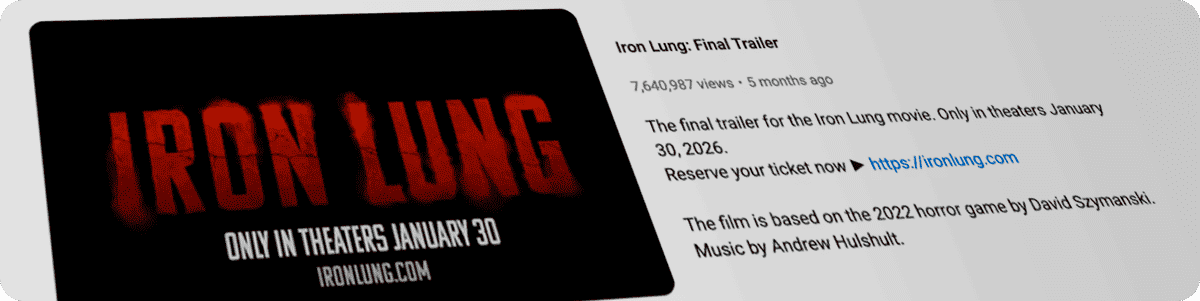
YouTube is increasingly a springboard for professional directors and next-gen film producers. Take YouTube’s own Markiplier. His self-funded, self-released horror film Iron Lung captured $51 million in the box office in January. Now it’s set to be released for streaming exclusively on YouTube Movies from 31 May.
And Iron Lung isn’t the only creator film to debut this month →
Backrooms, a film born of the viral YouTube horror series by Kane Pixels, is hitting cinemas 29 May. Kane was hired by A24 (the film studio responsible for hits like Midsommar and Uncut Gems) to direct Backrooms at just 20-years of age. And with official trailers clocking over 31 million views already, we’re placing bets on it being a box office success.
Why YouTube is the platform for budding filmmakers:
- Real-time feedback. In an interview with Fred Asquith, Backrooms director Kane shares how YouTube can accelerate your filmmaking prowess through “real-time feedback.” Stories and ideas are tested in their initial stages by both the algorithm and your comments section, so you get an idea what’s working early on.
- A built-in audience. Markiplier’s choice to give YouTube Movies the exclusive rights to Iron Lung might seem strange, but it’s actually tactical. Cannes film festival recognizes the unique power creators have to “activate their communities to watch their movies.” Markiplier built his 38 million+ audience on the platform and that’s where they’ll remain to support him.
- A foot in the door. Unlike film school, YouTube has no entry fees or time requirements. As long as you have a camera (even a phone camera) you can make and share your videos. And whilst the traditional film industry is starting to open its doors to creators, YouTube is still the more accessible option. As Markiplier says, “I don't know how many other companies would have given me a chance [to release a film].”
What does this mean for the future of film? YouTube is its own ecosystem. With an active audience of 2.7 billion and ample monetization options soon filmmakers might choose not to venture into Hollywood at all.
But for now? Traditional cinema still holds its prestige. Expect to see more creators on the red carpet or even self-releasing their own movies. (Let's go, I guess?)
FIFA World Cup 2026 – what happens when sport becomes inaccessible?
3 countries, 16 cities, 48 teams and 103 matches. You’d have to have eyes everywhere to watch all of the World Cup and a hefty amount of cash too… but are creators changing this?
The World Cup, a game for the rich? → 2026’s World Cup is set to be the most expensive to date, with tickets costing upwards of $670 dollars due to dynamic pricing (a 570% increase on 1994), even after recent price drops.
The alternative for ‘armchair fans’ used to be sticking the TV on, but live sport is increasingly a “costly maze” of subscriptions and blackouts. In short, catching a match is less accessible than tournaments past.
The future of sports TV → Experts have suggested that cost could drive a younger audience to get their sports-fix through short-form content. Obviously highlight reels aren’t the ideal solution for die-hard soccer fans, but they’re starting to be the preferred option for many – 62% of sports fans say they prefer watching sports content on social media, to watching the full thing on TV.
Fortunately, the 2026 World Cup is set to be the most ‘online’ yet. TikTok is giving 30 top sports creators front row seats at the tournament. And whilst they won’t be posting full matches, highlight reels and BTS content are sure to capture at least some of the energy of the game.
Added value → Creators don’t just capture sporting events real-time. They add commentary, behind-the-scenes takes and, most importantly, connection. Traditional sports will always be around, but creators are opening up new ways to enjoy them.
What are we watching?

We asked Uppbeat’s Head of Music, Shane, about a creator he’s been loving recently and why.
What’s your favorite channel right now? “Synthet (@synthet7), a channel that’s basically a cool little archive of music production hacks.”
3 words to describe them? “Educational, fun, bitesized.”
Why do you love them? “The videos are all under three minutes and animated to explain hard concepts in an engaging and playful way. I end up binging loads of them on my commute.”
We think they would love… “Our collection of sound effects. From whoosh sounds to voice clips, there’s everything you need to add an extra layer of fun to your edits.”
Elsewhere on the web
Challenging the status-quo. Ex-BBC boss says it’s time to take creator journalism seriously.
“Not a Waka Waka.” 16 years after her first World Cup song, Shakira drops the single Dai Dai.
Pack your headset. TwitchCon is coming to Rotterdam 30-31 May.
UMG signs deal allowing TikTok to use their music …as long as they get paid the royalties of course.
YouTuber, actor, singer and… K-pop star? Trisha Paytas releases her own K-pop song.
Latest Uppdates
Keen to start working on your own short film? The first step is to get inspired. Uppbeat’s blog has had a refresh so you can find the content you need faster; from YouTube guides to interviews with real filmmakers. Whilst you’re there, check out Uppbeat Partner Kevin E’s latest blog with 5 creators having fun with their content. Or skip straight to step two (finding the right assets) and give your film a grunge edge with transitions, textures and motion graphics from real artists.