The creator space moves fast. While you're riding the highs of the latest trend, the foundations of the next one are already being laid. The best way to stay ahead of the curve is to see what your fellow creators are either spotting early, or quietly building towards.
We spoke to a group of Instagram and YouTube creators to find out which trends they’re seeing first-hand. These are the patterns people have already noticed in real feeds, shared by creators who are experts at making content that sticks.
Creators don't always agree on things, but their predictions for 2026 are surprisingly unanimous. There’s a desire for more realness, more intention, and more content that makes people want to stay rather than simply click.
- Authenticity is your advantage
- Aesthetics get more intentional
- Real, chaotic content over polished edits
- Being a creator has become big business
- AI has made content easier, so trust matters more
Curious who’s behind these takes? Meet the creators behind the predictions.

Trend 1: Authenticity becomes your advantage
When feeds are saturated and content is increasingly built to please an algorithm, creators think audiences will start rewarding the opposite, content that feels honest and human. The point isn’t that production value disappears, it’s that real becomes the thing people stick around for.
The return of real content
Levi, a visual artist and editor on Instagram, is hoping for a shift away from videos created to please an algorithm. “I think we will move back toward more basic and real content,” he explains, “similar to what made social media and creators special in the first place."
Levi: “Everything has become so algorithm-optimized, overcomplicated, and heavily monetized that people are starting to appreciate the opposite. Smaller creators are getting more views simply by talking honestly about real topics for 40 minutes in a YouTube video. Sometimes more than multi-million-dollar MrBeast style productions”.
This stripped-back approach is happening with top creators too. YouTuber Ryan Trahan’s new Minecraft gameplay series is a great example. Its simple blog format and minimal editing takes you back to the early days of YouTube.
The idea that “real” can outperform “big” connects directly to what Pair, a storytelling Instagrammer, is noticing. She sees authenticity as a competitive edge in a time of mass-produced content.
Pair: “Creators who understand their own identity, references, and culture will win over those chasing trends too quickly. Audiences crave more intention and honesty, especially as AI makes content easier to generate. The human layer - personality, flaws, and lived experience - will become the real value.”
Instagram creator Sky, has a similar take: “Our feeds are already filled with perfect and beautiful curated visuals and lives. I think everyone is getting a bit sick of it.”
Sky: “Add to that the rise of AI-generated slop and I think you’re going to see people having more desire to feel like they are watching a friend online when they open their feeds. There will be a place for higher production content, but it'll be for creators who either have a unique idea or are already well established.”
High production still has value, but the choice of whether you apply it to your videos or not is one creators are viewing more critically. Well-produced videos demonstrate a certain level of quality to your viewers, but more creators are choosing to embrace the realism that comes from more basic edits.
One easy way to keep that balance is to be consistent with your sound. A selection of go-to tracks and SFX can make even simple edits feel intentional without losing the authentic vibe. Uppbeat’s copyright-free music and sound effects library allows you to easily access the sounds you use the most.

Your content doesn’t need to be everywhere
There’s a train of thought that the more places you share your content, the more potential viewers you’ll reach. But increasingly creators are questioning this approach.
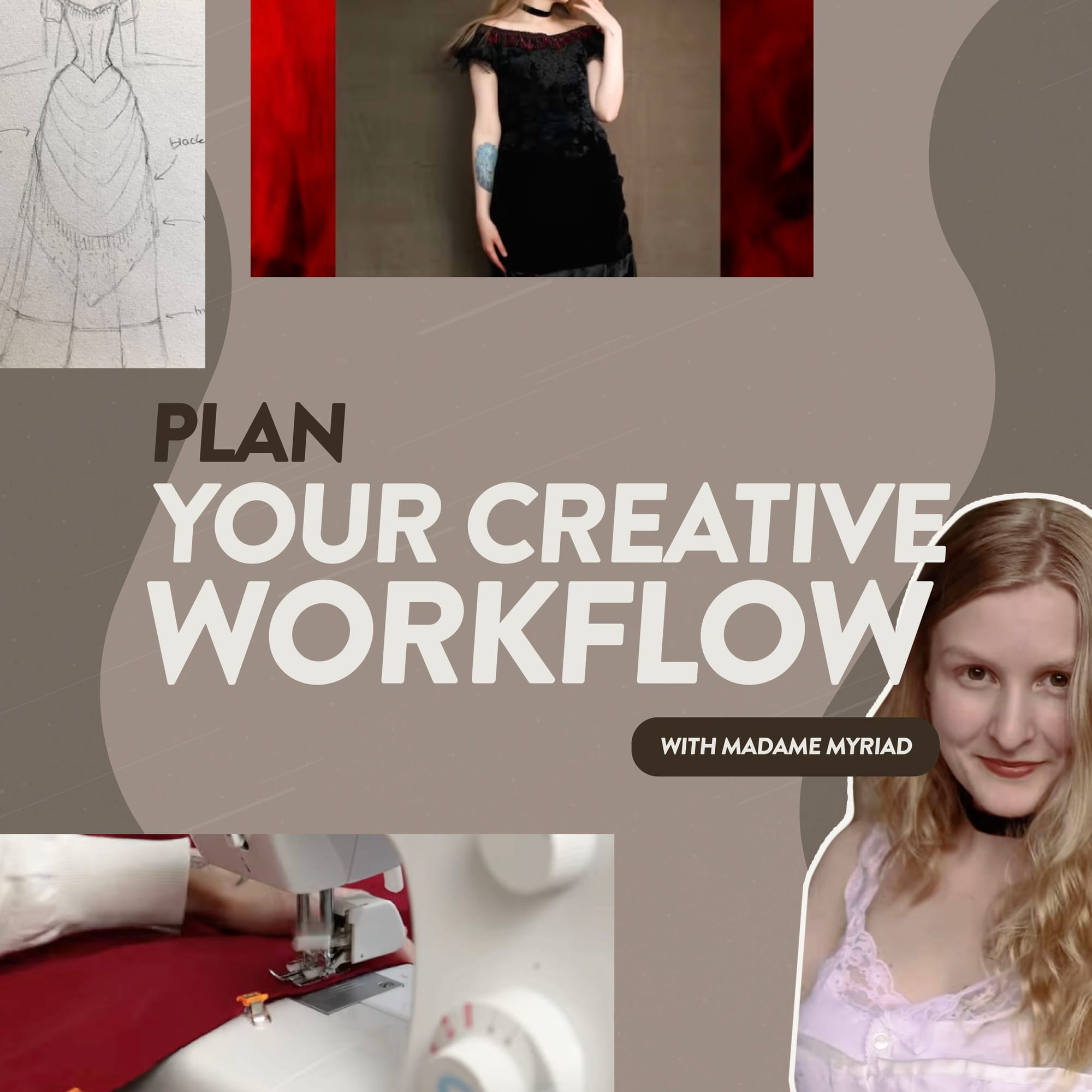
Madame Myriad, a YouTube creator who’s built a niche community outside the post everywhere treadmill, thinks creators will be forced to make smarter choices about platforms, formats, and what they can realistically sustain. “A lot of people are trying to figure out new balances as creators, while not abandoning their original platforms,” she explains.
Madame Myriad: “I see creators support each other and be honest with their communities about how tough the algorithms have been. Short content has become really popular, but I also know so many long form creators have actually regretted doing short content because they've realized it's a different kind of audience and it doesn't help them at all to grow.”
Madame Myriad is basically describing a shift from chasing reach, to protecting the right audience. Pair takes it one step further by saying that what you share is more important than where you share it.
Pair: “We’re moving into a phase where taste matters more than volume of content. Posting constantly won’t be the main differentiator anymore. Instead, having a point of view and making people feel something will be”.
Pick a format that feels authentically you and repeat it. That might be a point of view people can recognise, or an edit that makes viewers feel like they’re spending time with a real person.

Trend 2: Aesthetics begin to get more intentional
Creators aren’t predicting one single aesthetic for 2026, but they do feel that visuals will become a more intentional choice. The look won’t just be decoration, it’ll be part of how creators signal their identity and tastes.
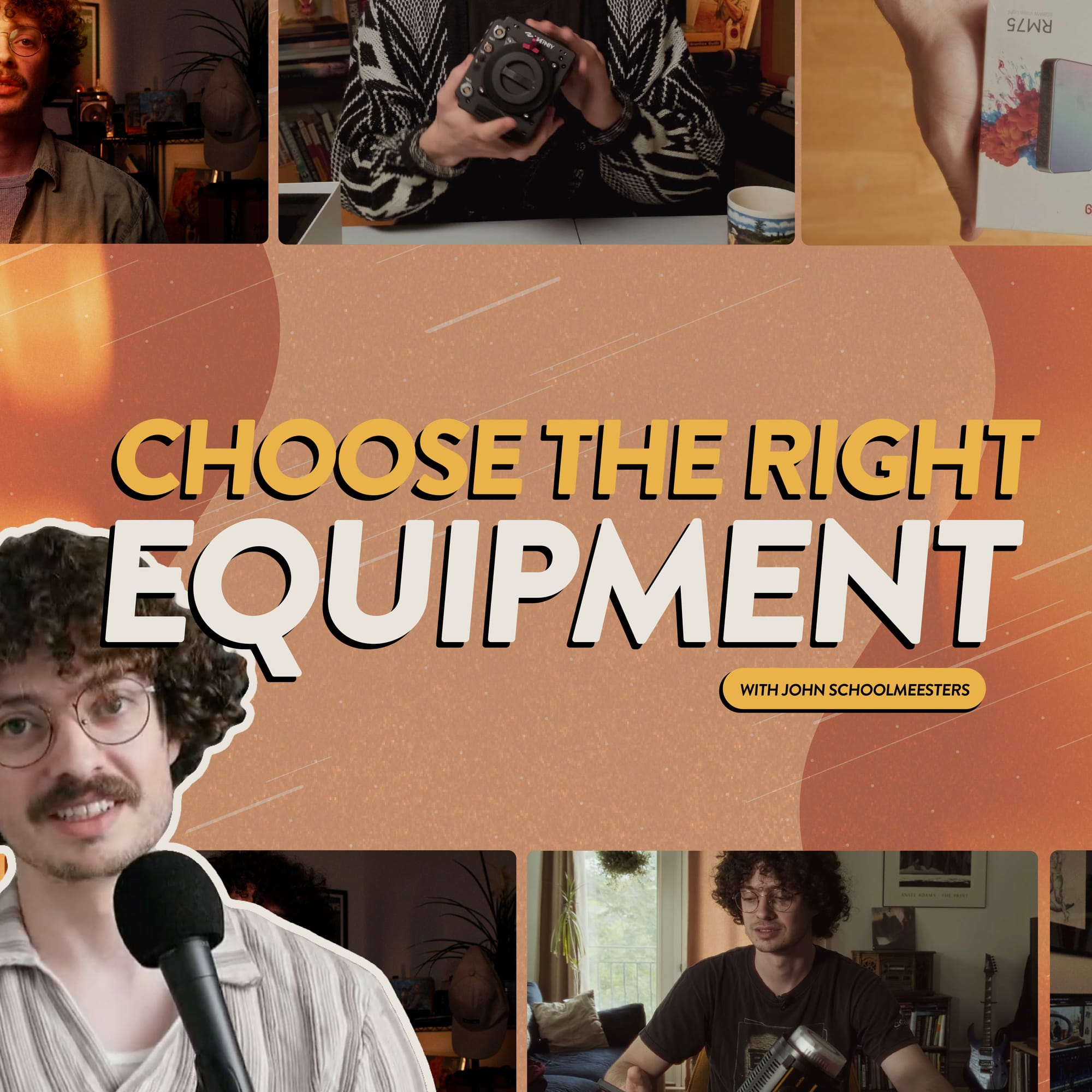
John Schoolmeesters, a filmmaker known for storytelling and strong visuals, has noticed the nostalgia trend moving away from the classic “film look” and toward an early 90s digital texture. It’s still vintage, but more specific and era-rooted.
John: “VHS and this vintage look is really in right now. It's different from your typical nostalgic film look, and more the look and feel of early digital cameras. It’s strange that what I was using when I was seven years old is in fashion now!”
Pair is seeing another version of the same intentionality. Not necessarily nostalgia, but a stronger creative direction: “Creators are thinking more like creative directors now. It’s less about shouting a message and more about crafting something that feels intentional, elevated, and considered.”
The stylistic approaches John and Pair have noticed are two examples of a bigger shift. Because audience attention is harder to earn than ever, creators now choose aesthetics with more purpose. Your content’s look is one of the best ways to connect with viewers after all.
Aesthetics work because they give you emotion quickly, but are most effective when used for impact: “Nostalgia can be a very powerful tool,” John says. “But I'm worried that we're going to become too reliant on it to make viewers feel a certain way. We want it to call back to feelings of nostalgia, rather than becoming the focus of the whole video.”
Nostalgia is an easy shortcut to emotion, but John’s point is that it can’t be the only thing doing the work. Sky’s noticing audiences coming back for connection instead – more raw, more personal formats where the aesthetic isn’t the main event.
Sky: “As we enter the new year, I’m starting to see more raw authentic content. The days where you can build a career based on showing nothing but pretty visuals are drawing to a close.”
Choose a look intentionally and stick to it long enough for viewers to associate it with you. Make sure your visuals are supporting the idea, not trying to be the idea. Check out Uppbeat’s motion graphics and LUTs library to find assets that can elevate your edits without stealing the limelight.

Trend 3: Real life is the new hook
In 2026, audiences don't want polish, they want access. Creators think we'll be watching more of the messy bits of their lives, like unfinished ideas and behind-the-scenes
Kevin E, the host behind The Creator’s Cut, sees podcasting as the natural home for this shift. It captures a side of creators that polished content usually edits out: “Being transparent as a creator is starting to be a big thing,” he explains. “That goes hand in hand with the podcasting format, because it's a way for people to share their honest opinions and unfiltered takes.”
This appetite for authenticity is clear in intros too. Instead of smoothing everything out, creators are leaning into openings that feel more unpredictable and human, using that energy to earn attention fast.
Pair: “There’s this interesting tension between polish and chaos happening right now. The creators who can balance both are standing out the most. Hooks are getting wilder. People are experimenting more and taking bigger risks in the first few seconds to stop the scroll.”
This isn’t a rejection of quality, it’s a shift in what quality means. The craft is still there, but it’s being used to create closeness rather than perfection. Kevin predicts that video podcasts start showing more of people’s real environments so it feels like you’re spending time with the hosts in their actual world:
Kevin E: “Podcasting is heading toward a more immersive, behind-the-scenes feel, like you’re stepping into someone’s office or apartment while they talk. It’s cinematic, but it’s really about making the conversation feel more real.”
Show a little more of what’s happening behind the camera, even just a quick clip of your creative process. And when you’re testing hooks, aim for authenticity over perfection.

Trend 4: Being a creator starts to look like a real business
Creators aren’t just talking about what’s changing in content. They’re talking about the job itself changing too. More creators are building something that looks and runs like a proper business – competing with traditional media, launching products, spreading across platforms, and making serious money.
John Schoolmeesters sees a big shift happening. YouTube already accounts for 12% of all TV viewing, taking up more of the space traditional TV and streaming used to own.
John: “We're on the precipice for YouTube to really take over traditional media. We’re already seeing a huge decline in streaming services and TV in terms of where people get their news, information and entertainment.”
But John’s not saying creators win because they’re louder or shinier. He thinks they win because they feel closer. Viewers don’t just watch a creator, they feel like they know them, and they come back for the person as much as the topic.
John: “The reason people connect with creators over YouTube and online is that it's so much more real and accessible. People feel more connected to a creator and their ideas than they do with characters in a TV show.”
That closeness is also what makes bigger business opportunities possible. Arnaud Melis, who co-founded the film editing school Filmbro, thinks more creators will develop products and brands that stand on their own, alongside their content.
Arnaud: “We will see more products built by creator brands popping up. It started with celebrities creating their own brands and then YouTubers like Mr Beast realised it was possible too and created their own multi-million dollar brands.”
At the same time, success as a creator doesn’t always look like a massive product launch. Madame Myriad points to alternative income streams creators can pursue, like moving outside traditional social media platforms and building membership-style spaces with the people who care most.
Madame Myriad: “I’m definitely seeing a lot more people branching outside of the major platforms, trying out smaller membership-type platforms to connect with the real niche sections of their community. That direct creator support from platforms like Patreon has been a game changer for a lot of people turning their content into a sustainable business.”
And when more money flows through the creator world, the boring stuff matters more too. Arnaud expects increased regulation and pressure to be clear about paid work, especially in places where it used to be easier to blur the lines.
Arnaud: “I think we’re going to see more and more regulation. In some countries you used to be able to do whatever you wanted, but now you have to be clear. You have to tell people when something is paid and show that it’s an ad.”
The transparency you show as a creator applies to the assets you use too. Using properly licensed music and sound effects is one of those small, unglamorous steps that keeps things clean as your content grows. Explore Uppbeat’s library of copyright-free music and sound effects for audio that’s safe to use in your videos, whether you’re starting out or making it big.
Build something you actually own alongside your main platform, even a simple email list or membership. It means your relationship with your audience isn’t at the mercy of one feed.

Trend 5: AI makes content easier, so trust matters more
AI won’t just be a time-saver in 2026. Creators see it as something that will completely change the landscape with new types of influencers, new expectations from audiences, and a higher baseline for what content looks like.
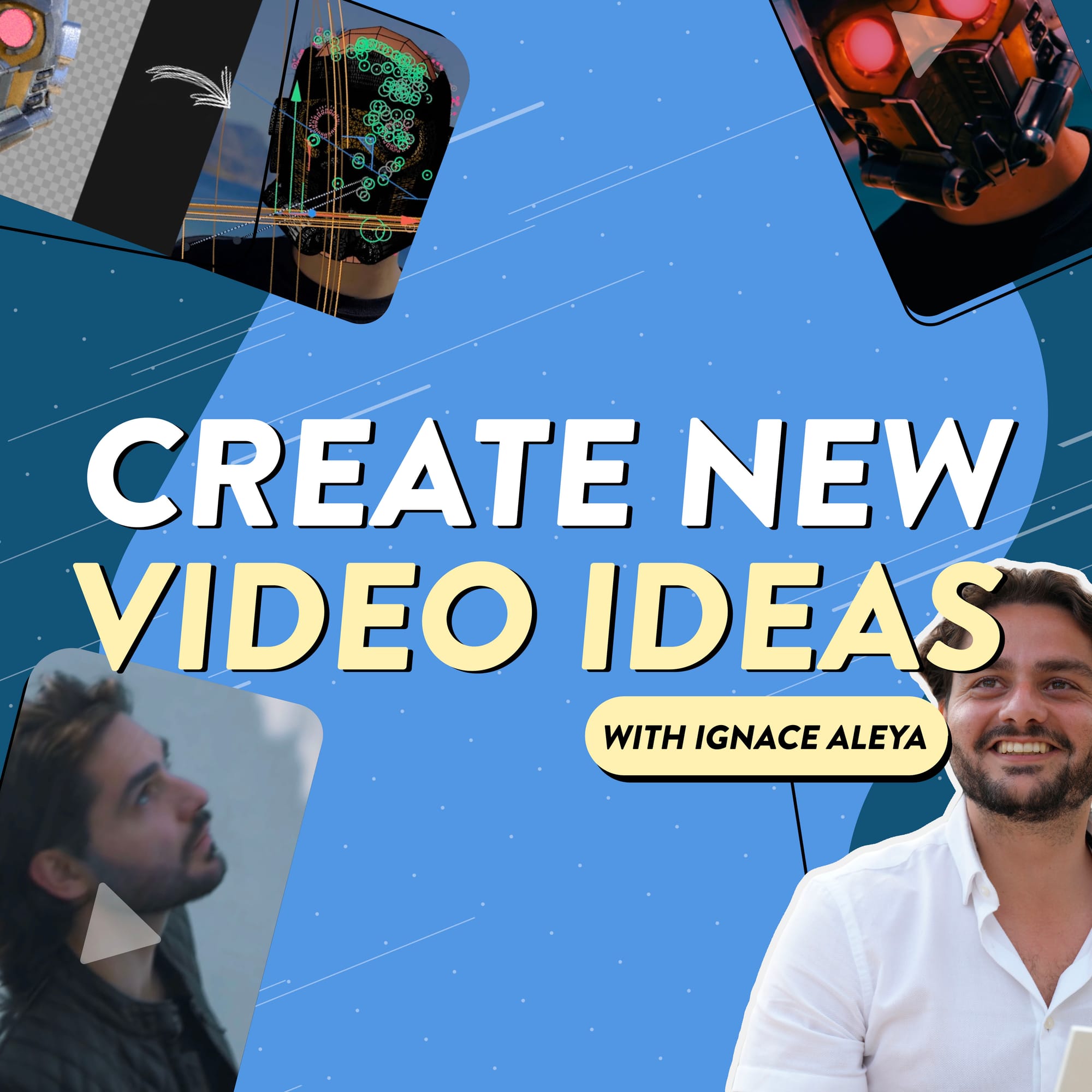
Ignace Aleya, a YouTube educator known for VFX and editing tutorials, expects AI-native creators to become become a part of the content ecosystem: “I see AI content creators in the future that become extremely famous,” he explains, “even if real content creators are also always going to be there too. AI is definitely going to be a big part of content creation.”
Ignace frames AI as a tool that rewards experience rather than replacing it. The better your instincts and experience, the more creative your outputs can become— which is why he thinks creators should learn it now.
Ignace Aleya: “Someone with content creation experience will be able to create way cooler results with AI, because it's just another tool they can use. We have to try it and learn how to work with it because it's here to stay and it's only going to get better.”
And this is where the human element comes back. Pair’s point is that when AI makes content easier to generate, audiences get more selective about what they choose to watch: “Audiences will crave more intention and honesty,” she adds, “especially as AI makes content easier to generate. The human layer will become the real value”.
That shift doesn’t just change what audiences respond to, it changes what creators have to protect. When reach gets harder and feeds get noisier, staying human and showcasing your originality becomes a point of difference.
Madame Myriad: “People are trying their best to keep genuine creativity and community going, especially when algorithms are making it harder and harder to reach the followers you have.”
This isn’t just a creator hunch either. Instagram CEO Adam Mosseri shared his thoughts on how AI is making perfect, polished content easy to make, which means people might begin to question their trust in content. The creators that will stand out are the ones that stay real and consistent.
If you’d like to use AI, it can help remove friction from your workflow, but don’t outsource the parts that make you worth watching. In 2026, trust is going to look like consistency – the same voice, the same judgement, and a clear sense that there’s a real person behind what you post.

Meet the creators behind these 2026 predictions
These predictions come from creators who are seeing these trends first-hand. They’re building, experimenting, and adapting as the creator landscape changes. If you want to follow their work, here’s who they are and where to find them.
Levi
Levi is a visual artist and editor who shares creative work and behind-the-scenes insight on YouTube, including how he thinks about tools, workflow, and what’s actually working right now.
Follow: @levi.aee (Instagram)
Pair
Pair is a storytelling-led creator focused on identity, taste, and creative direction. She talks about the choices that make content feel personal rather than trend-led.
Follow: @pairandetc (Instagram)
Sky
Sky is an artist, creator and producer who leans into “internet best friend” energy and shares work that balances personality with a strong sense of creative taste.
Follow: @sky.h265 (Instagram)
John Schoolmeesters
John is a filmmaker and YouTube creator who focuses on storytelling and visual craft with a sharp eye for how aesthetics and emotion work together on camera.
Follow: John Schoolmeesters (YouTube)
Kevin E
Kevin E is the voice behind The Creator’s Cut and Beyond The Cut, where he breaks down creator storytelling, editing decisions, and what separates a good video from a great one.
Follow: The Creator’s Cut (YouTube)
Arnaud Melis
Arnaud is the co-founder of Filmbro and works behind the scenes building tools, strategy, and systems that support creators.
Follow: Filmbro.com
Madame Myriad
Madame Myriad is a YouTube creator known for history-inspired DIY projects with a distinct, character-led style and a big focus on building community around niche interests.
Follow: @MadameMyriad (YouTube)
Ignace Aleya
Ignace is a YouTube educator who teaches video editing and VFX, sharing practical tutorials designed to help creators make stronger videos with less friction.
Follow: @IgnaceAleya1 (YouTube)

So, what should you take into your content in 2026?
If there’s one thread running through all of these trends, it’s that creators are finding success by being real, not perfect. The look is more intentional, the process is more visible, and the formats that perform best are the ones that make people feel closer to a real person.
If you’re planning what to make next, make choices that are hard to copy. A point of view, a repeatable format, and a voice people recognize will do more for your growth than any trend you can chase.
Looking to give your videos a vibe that is unmistakably you? Check out Uppbeat’s library of music, sound effects, motion graphics and LUTs, all made by real artists.